
Choosing the right legal service can feel overwhelming, especially if you’re not familiar with the legal world. Maybe you need help with a contract, a business issue, or a personal matter like divorce or immigration. The choices are wide: solo lawyers, big law firms, online legal platforms, and even free resources. The wrong choice could waste time and money—or even harm your case. This guide will help you make a smart, confident decision. It will also show you tips and details that many first-timers overlook, so you don’t make common mistakes.
Understanding Your Legal Needs
Every legal issue is different. Before you start searching for a legal service, get clear about your own needs.
- Type of Legal Issue: Are you dealing with a criminal charge, a business contract, a will, or something else? The area of law matters because lawyers often specialize.
- Complexity: Some problems are simple (like drafting a basic contract) and others are complex (like defending a lawsuit). More complex cases usually need more experienced lawyers or specialized firms.
- Budget: Legal services can be expensive. Knowing your budget helps you find the right fit without surprises later.
Example: If you need a simple will, you may not need a big law firm. But if you’re starting a tech company and need help with patents, you want a specialist.
Many people skip this self-check and end up overpaying or hiring someone who’s not a good match.
Types Of Legal Services
There are several main types of legal services. Each one has its strengths and weaknesses. Here’s a quick look:
| Type | Main Features | Best For |
|---|---|---|
| Solo Practitioner | One lawyer, personal attention | Personal matters, simple business |
| Small Firm | 2-10 lawyers, some specialization | Families, small businesses |
| Large Firm | Many lawyers, wide expertise | Complex cases, big companies |
| Online Legal Service | Fixed-fee, self-serve options | Simple documents, basic advice |
| Legal Aid/Non-Profit | Free or low-cost, income limits | Low-income individuals |
Non-obvious insight: Online services are growing fast. For simple needs (like an LLC setup or a standard contract), they can save you hundreds of dollars. But for court cases or custom issues, human lawyers are usually better.

Credit: brillantlaw.com
Key Factors When Choosing A Legal Service
Every legal service is not the same. Here are the most important things to compare:
1. Expertise And Specialization
Specialized lawyers are usually better for complex or unusual cases. For example, a personal injury lawyer is not the best choice for a patent dispute.
- Ask about experience with your type of issue.
- Look for certifications or memberships in legal associations.
Pro tip: Some lawyers call themselves “full service,” but check their actual experience in your area.
2. Reputation And Reviews
Today, you can check client reviews online. Look for:
- Ratings on Google, Avvo, or Martindale-Hubbell
- Testimonials on the lawyer’s website
- Any past disciplinary action (check your state bar association)
A few bad reviews don’t always mean trouble, but patterns matter.
3. Communication And Accessibility
A good lawyer explains things in plain English, not just legal terms. Notice:
- Do they reply to emails quickly?
- Do they explain the process clearly?
- Will you work directly with the lawyer, or with junior staff?
Clear, regular updates reduce stress and confusion.
4. Cost And Fee Structure
Legal fees can be complex. Here’s a basic comparison:
| Fee Type | How It Works | Common Uses |
|---|---|---|
| Hourly Rate | Pay per hour of work | Lawsuits, ongoing cases |
| Flat Fee | One price for a specific service | Wills, contracts, incorporations |
| Contingency | Pay only if you win | Personal injury, some lawsuits |
| Retainer | Pay up front, fees deducted as used | Business, ongoing advice |
Ask for a written estimate and clarify what is included. Some lawyers charge for phone calls or emails—others do not.
Non-obvious insight: Some law firms may be open to flexible fee arrangements, especially for small businesses or startups. It never hurts to ask.
5. Location And Jurisdiction
Law is local. Most lawyers can only practice in certain states or countries. Make sure your lawyer is licensed in the right jurisdiction.
- For online services, check if the documents are valid in your location.
6. Personal Comfort
You will likely share private details with your lawyer. Trust and comfort matter. After your first meeting, ask yourself:
- Did they listen to you?
- Did you feel respected and understood?
Often, the best legal service is not the cheapest or the most famous, but the one that fits your situation and personality.
The Selection Process: Step-by-step
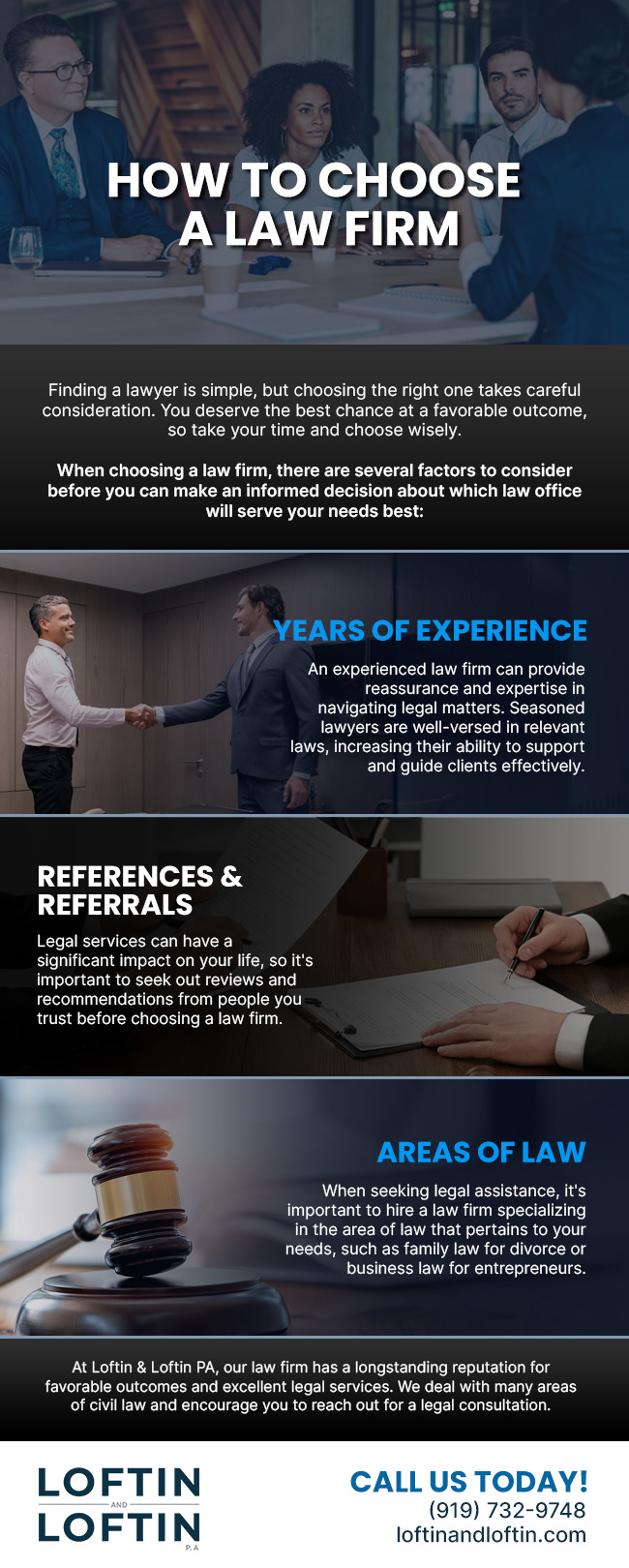
Finding and choosing the right legal service works best if you follow a process. Here’s a practical approach:
- Define your problem: Be as specific as possible.
- Make a shortlist: Get recommendations from friends, professional contacts, or search online.
- Check credentials: Visit state bar websites to confirm licenses and look for complaints.
- Compare experience and reviews: Look for patterns, not just star ratings.
- Contact 2-3 options: Arrange a consultation. Many lawyers offer a free first meeting.
- Ask the right questions (see next section).
- Review the fee agreement: Make sure you understand all charges before signing.
- Trust your instincts: If something feels wrong, keep looking.
Many people skip Step 3 or 7 and regret it later. Taking the time up front saves headaches.
Credit: loftinandloftin.com
Questions To Ask Before You Decide
The first meeting with a lawyer is your chance to test the fit. Here are smart questions to ask:
- How many cases like mine have you handled?
- What would be your strategy for my issue?
- Who will actually handle my case?
- How do you charge, and what is included?
- What problems or risks do you see in my situation?
- What is the likely timeline?
Bring notes and compare answers from different lawyers. Good lawyers welcome your questions.
Common Mistakes To Avoid
Many people make the same errors when choosing legal help. Here are some to watch out for:
- Choosing only by price: The cheapest lawyer may not be the best, and an expensive one is not always better.
- Not checking credentials: Unlicensed or unethical lawyers can create serious problems.
- Ignoring communication style: Poor communication leads to frustration and bad outcomes.
- Not getting a fee agreement in writing: Verbal promises don’t protect you.
- Delaying action: Legal problems often get worse (and more expensive) over time.
Example: One client hired a lawyer without a written agreement. Later, surprise fees appeared. A simple contract could have prevented that.

Credit: gehilaw.com
When Online Legal Services Work (and When They Don’t)
Online legal platforms like LegalZoom, Rocket Lawyer, or Avvo are popular for a reason—they’re fast and often much cheaper. But they’re not right for every case.
Good For:
- Simple wills, contracts, and business formations
- Quick legal questions
- Document reviews
Not Good For:
- Court cases or lawsuits
- Complex business deals
- Unique or highly personal situations
Tip: If you start online and the situation gets complicated, shift to a human lawyer quickly.
What Sets High-quality Legal Services Apart
There are thousands of lawyers and services out there. What separates the best from the rest?
- Clear communication: They explain things simply and keep you updated.
- Transparency: No hidden fees or surprises.
- Experience: A track record in your type of legal issue.
- Ethical standards: No shortcuts or shady tactics.
- Client-focused: They listen first, then give advice.
Some law firms now use technology to keep clients informed with online dashboards, which can reduce stress.
Useful Resources For Finding Legal Services
If you’re not sure where to start, try these:
- State Bar Association websites: Most have lawyer directories and complaint history.
- Referral services: Many bar associations offer free referrals.
- Online reviews and legal directories: Sites like Avvo, FindLaw, and Martindale-Hubbell.
- Legal aid offices: For those who qualify, legal aid can provide free or low-cost help.
For more background, the American Bar Association offers resources to help you understand legal topics and find lawyers.
Frequently Asked Questions
How Do I Know If A Lawyer Is Licensed And In Good Standing?
Check your state’s bar association website. They list all licensed lawyers and show if there are any disciplinary actions. Many sites let you search by name.
What Should I Bring To My First Meeting With A Lawyer?
Bring all relevant documents—contracts, letters, emails, and any court papers. Make a list of your questions and any facts you think are important. This helps the lawyer understand your case quickly.
Can I Switch Lawyers If I’m Not Happy?
Yes, you can usually change lawyers, though it’s best to review your contract for any rules or fees. Tell your current lawyer in writing, and make sure your new lawyer gets all your documents.
Are Online Legal Services Safe To Use?
Most major online legal services are safe for simple needs, like basic documents or quick advice. However, they are not a substitute for personalized help in complex or high-stakes cases.
How Can I Keep Legal Costs Under Control?
Ask for a written fee agreement. Request regular billing statements and discuss all charges up front. Some lawyers will agree to cap fees or provide flat rates for certain work.
Choosing the right legal service is a big decision—but it doesn’t have to be stressful. By understanding your needs, comparing your options, and asking smart questions, you can find the best match for your situation. Take your time, do your research, and remember: a good lawyer is an investment in your peace of mind and your future.
Read More:
- How Family Legal Services Can Protect Your Rights Effectively
- Affordable Legal Services for Individuals And Businesses: Save Big
- What to Expect from a Professional Legal Service: Expert Guidance
- Common Legal Problems And How Lawyers Solve Them: Expert Solutions
- The Importance of Legal Advice Before Signing Contracts Explained
- How Legal Services Help During Contract Disputes: Expert Guidance
- How Legal Services Protect Your Business from Risk Effectively
- Why Small Businesses Should Invest in Legal Services for Success